
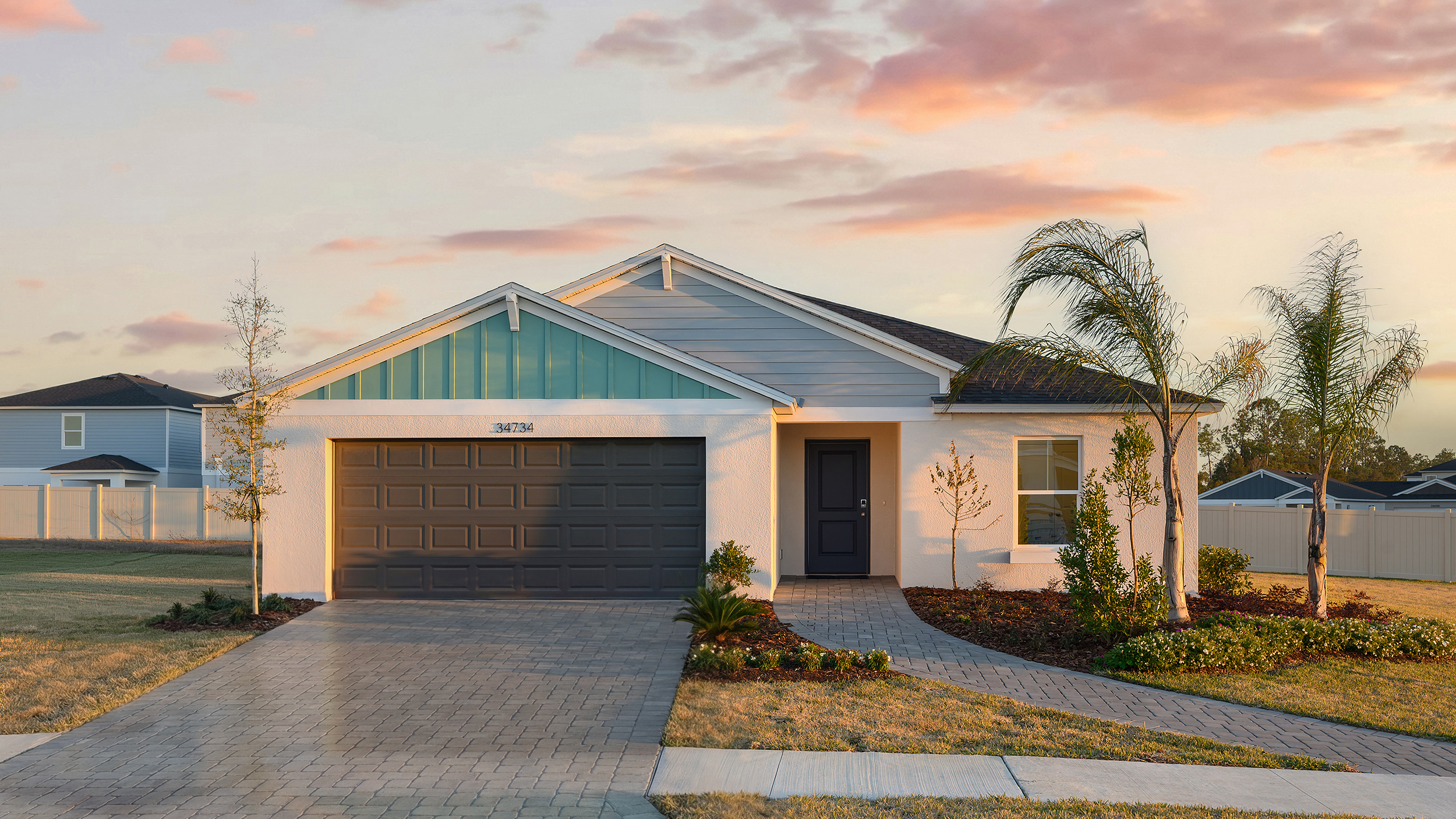
If you’re shopping for a new home in Florida, you’ve probably heard the terms “block” and “frame” tossed around — but what do they actually mean for you, the homeowner? It’s more than just a construction detail; it’s one of many factors worth understanding as you compare homes in our climate.
Here’s a simple breakdown of how block and frame construction generally compare for new home buyers in Florida — and why block is the approach you’ll find behind Casa Fresca homes.
What’s the Difference, Exactly?
Frame construction uses wood studs to build a home’s walls, similar to what you’d see in cooler, drier climates up north. Block construction (also called CBS, or concrete block structure) uses concrete masonry units — stacked and reinforced — to form the walls instead. In Florida, where heat, humidity, wind, and pests are all part of daily life, that difference is worth understanding.
How Block Generally Compares to Frame
- Wind resistance: Concrete block walls are generally considered to offer greater resistance to high winds and flying debris than wood frame, which is one reason CBS construction is common throughout Florida.
- Termite considerations: Wood frame homes can be more susceptible to termite activity in Florida’s warm, humid climate. Concrete block is generally less susceptible to this type of damage.
- Moisture considerations: Block doesn’t absorb or swell with moisture the way wood can, which may help reduce certain risks over time.
- Thermal mass: Concrete block generally holds more thermal mass than wood frame, which may help a home retain a more even indoor temperature during Florida’s warmer months.
- Sound considerations: Block walls are often associated with reduced outside noise transfer compared to frame construction.
- Durability: Concrete block is generally considered less prone to warping, rotting, or settling over time, which may translate to different long-term maintenance needs.
- Insurance considerations: Block construction is often associated with more favorable homeowners’ insurance rates in Florida, though actual savings depend on your insurer, coverage, wind mitigation features, and other factors. Speak with your insurance provider for a personalized quote.
What to Keep in Mind
No home is fully “stormproof,” and actual performance depends on engineering, permitting, code compliance, and features like impact windows and roofing — not the wall material alone. Construction quality also varies by builder, so the materials, reinforcement, and craftsmanship behind any home matter as much as the wall type itself. And regardless of wall material, every home still needs proper waterproofing, maintenance, and pest management to hold up over time.
Why Casa Fresca Builds With Block
We build homes with Florida’s climate in mind. Every Casa Fresca home uses concrete block construction on the first story for added strength and durability, built to current Florida Building Code standards, paired with thoughtful choices like homesites outside FEMA-designated flood zones. It’s all part of building a home that’s ready for life in Florida.
If you’re exploring new construction homes in the Tampa, Orlando, or Ocala areas, our team is happy to walk you through exactly how our homes are built. Ready to see the Casa Fresca difference for yourself? Connect with our team today — we’re here to help.