
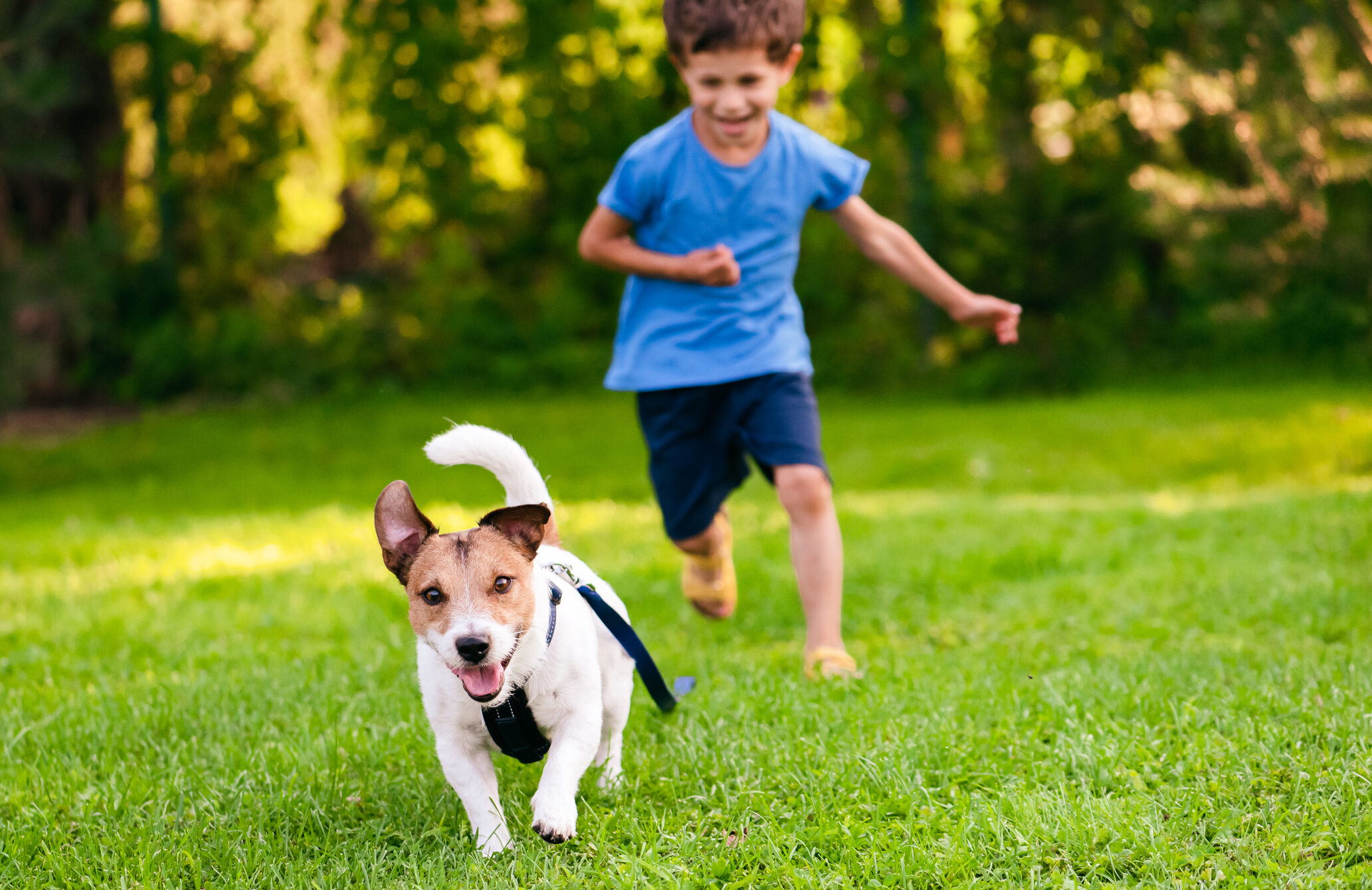
Learning how to pet-proof your home is one of the best things you can do before move-in day. A little preparation keeps your four-legged family members safe and your new home looking like new. The best part? You don’t need a big budget. Most pet-proofing comes down to a few smart habits, some inexpensive supplies, and knowing what to watch for in Florida.
TL;DR: To pet-proof your home, secure cords, chemicals, and trash; block off unsafe spaces like the garage and laundry room; choose durable, easy-clean surfaces; remove toxic plants from your yard; and plan for Florida-specific risks like heat, pools, cane toads, and year-round pests. Set up a quiet “home base” for your pet before move-in day to help them settle in faster.
How to Pet-Proof Your Home Before Move-In Day
The easiest time to pet-proof is before the moving boxes (and your pet) arrive. A quick walkthrough at your pet’s eye level helps you spot what they’ll notice first.
- Get down on the floor and look for anything chewable, climbable, or small enough to swallow.
- Pick up any leftover packaging, zip ties, screws, or foam from move-in.
- Choose a quiet room to set up as your pet’s “home base” with their bed, bowls, toys, and litter box.
- Update your pet’s microchip and ID tag with your new address and phone number.
- Find a nearby vet and emergency animal hospital, and save both numbers in your phone.
- Stock up on a few pet-proofing basics: pet gates to block off-limits rooms, cabinet latches to keep curious paws out of cleaning supplies, and a trash can with a locking lid.
How to Pet-Proof Your Home, Room by Room
Some rooms need more attention than others. Here’s what to check in each part of your home.
Kitchen
The kitchen is full of smells your pet will want to investigate. Don’t leave food unattended on counters or tables, since dogs can reach up and cats can jump. Store items that are toxic to pets in closed cabinets. These include chocolate, grapes, raisins, onions, garlic, and anything with xylitol, a sweetener found in sugar-free gum and some peanut butters. Keep trash and cleaning supplies secured, too.
Living and Family Areas
This is where your pet will spend most of their time, so it’s worth a closer look.
- Tuck away or cover electrical cords, phone chargers, and blind cords, especially if you have a puppy who’s still teething.
- Keep small items like hair ties, batteries, coins, and toys with small parts off the floor.
- Anchor tall bookcases and TV stands so climbing cats can’t tip them.
- Use washable throw blankets on sofas to protect them from fur and muddy paws.
Bathrooms
Keep toilet lids closed and store medications, razors, and cleaning products up high or in a latched cabinet. Even common over-the-counter medicines can be dangerous for pets.
Bedrooms and Closets
Close closet doors so shoes, belts, and laundry don’t become chew toys for your dog. Check that window screens are secure before opening windows, especially if you have a cat who loves a view.
Garage and Laundry Room
These spaces are often the riskiest. Antifreeze, fertilizers, pest control products, and paint should be stored on high shelves or in locked cabinets. Keep the washer and dryer doors closed, and always check inside before starting a load. A pet gate or closed door is the simplest way to keep pets out entirely.
Floors and Finishes
Durable, easy-clean surfaces make life with pets much more manageable. Tile and luxury vinyl plank hold up well to paws and are simple to wipe clean, while washable area rugs add comfort without the worry. Keeping your pet’s nails trimmed also helps protect your floors.
Pet Safety Tips for Florida Homes
Living in Florida means sunshine, backyard time, and a few extra things to plan for when you pet-proof your home.
Secure Your Yard
Walk your fence line and check for gaps, loose boards, or spots where a determined digger could slip under. Always check your HOA guidelines before adding or changing fencing. Keep gates latched, and consider a self-closing hinge for extra peace of mind. If you have a lanai, keep screen doors closed and check screens for tears, since cats and small dogs can push through.
Watch for Toxic Plants
Some of Florida’s most popular landscaping plants are harmful to pets. Sago palms are especially dangerous to dogs and cats, and lilies are highly toxic to cats. Oleander, azaleas, and philodendron can also cause problems. If you’re adding plants, check the ASPCA’s list of toxic and non-toxic plants first.
Pools and Ponds
If your home has a pool, never leave your pet unsupervised near the water. Teach dogs where the steps are so they can find their way out. Keep pets out of lakes or ponds that look green or scummy, since blue-green algae can be toxic to dogs.
Know Your Local Wildlife
From Tampa to Orlando and Ocala, Central Florida is full of wildlife. A few animals are worth watching for:
- Cane toads: Common in the Tampa Bay and Orlando areas, their skin toxin can be very dangerous to dogs. They’re most active at dusk and after rain, so supervise your pet outside. Bring food and water bowls in overnight, too, since toads are drawn to pet food and can leave toxins behind in water bowls.
- Alligators: Keep dogs leashed near lakes and retention ponds, and never let them swim or drink there.
- Snakes: Venomous species like rattlesnakes and cottonmouths live here. Keep grass trimmed and pets away from tall brush.
- Coyotes, bobcats, and birds of prey: Keep cats indoors and stay with small dogs outside, especially at dawn and dusk.
- Fire ants: Check your yard for mounds and treat them with pet-safe products.
Stay Ahead of Pests
Florida’s warm weather means fleas, ticks, and mosquitoes are active all year. Talk with your vet about year-round flea, tick, and heartworm prevention.
Beat the Heat
Florida summers can be tough on pets. Keep fresh water indoors, provide shade outside, and walk your dog in the early morning or evening. Before a walk, hold the back of your hand on the pavement for seven seconds. If it’s too hot for you, it’s too hot for paws, so stick to grass or try pet booties. Never leave your pet in a parked car, even for a few minutes. Watch for heavy panting, drooling, or weakness, and if you notice these signs, move your pet somewhere cool and call your vet.
Plan for Hurricane Season
Add your pet to your family’s hurricane plan. Pack a go-bag with food, water, medications, vaccination records, a leash, a carrier, and a current photo of your pet. Research pet-friendly shelters and hotels ahead of time. For more ways to get ready, see our Florida hurricane season tips for homeowners.
Moving With Pets: Helping Your Pet Adjust to a New Home
Even with every room ready, give your pet time to adjust. A new space can feel overwhelming at first.
- Start small. Let your pet settle into their home base room first, then open up the rest of the house a little at a time.
- Keep routines familiar. Stick to the same feeding, walking, and bedtime schedule you had before the move.
- Bring the comforts of home. Familiar bedding, toys, and even an unwashed T-shirt that smells like you can help ease stress.
- Explore together. Walk the neighborhood on a leash so your dog can learn the new sights, sounds, and smells. Communities like Pasadena Woods and Villa Mar make it easy, with dog parks and walking trails close to home.
- Watch for signs of stress. Hiding, skipping meals, or unusual behavior for more than a few days is a good reason to check in with your vet.
Frequently Asked Questions
How do I pet-proof my house?
To pet-proof your home, start by looking at it from your pet’s eye level. Secure cords, chemicals, medications, and trash; block off unsafe rooms like the garage, and remove toxic plants from your yard. Then set up a quiet space where your pet can rest and feel safe.
What is the best flooring for pets?
Tile and luxury vinyl plank are popular choices because they resist scratches, hold up to water bowl splashes and accidents, and are easy to clean. Good news for Casa Fresca homeowners: luxury vinyl plank comes standard.
What plants are toxic to pets in Florida?
Sago palms, lilies, oleander, azaleas, and philodendron are a few common plants that can harm dogs and cats. Check the ASPCA’s toxic plant list before adding new landscaping.
Are cane toads dangerous to dogs?
Yes. Cane toads release a toxin that can make dogs seriously ill. Warning signs include drooling, bright red gums, and pawing at the mouth. If you think your dog has licked or bitten one, wipe out their mouth with a damp cloth and contact your vet or an emergency animal hospital right away.
How long does it take a pet to adjust to a new home?
Many pets start to feel comfortable within a few days to a few weeks. Keeping routines consistent and introducing new spaces gradually can help them settle in faster.
Find a Home Your Whole Family Will Love
At Casa Fresca Homes, we know pets are part of the family, and that matters when you’re choosing a home. Explore our new home communities across Tampa, Orlando, and Ocala to find the space, yard, and neighborhood that fit your family’s lifestyle. Ready to see it for yourself? Schedule a visit with our team today.